


24
Feb
2026
Is It Safe to Take Protein Powder Every Day? What Science Says
With so much buzz about whey protein, you’ve probably asked yourself at some point:
‘Is protein powder safe for consumption?’
With gym tips, Instagram videos, and relatives cautioning you about “kidney damage,” it’s simple to get confused. So, let’s set the record straight and simplify it for you in a science-based manner.
What Protein Powder Really Is
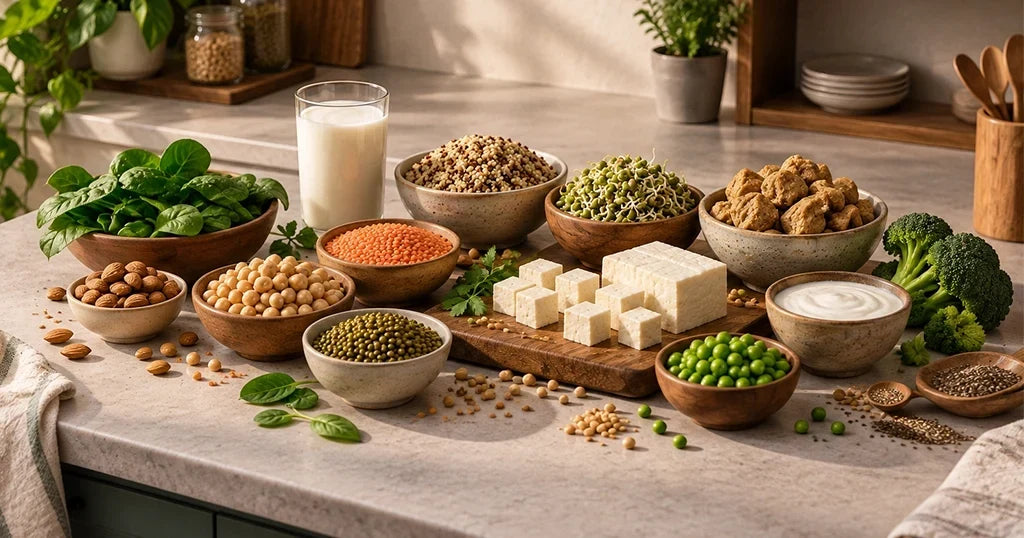
Protein powder is simply purified protein derived from real food sources.
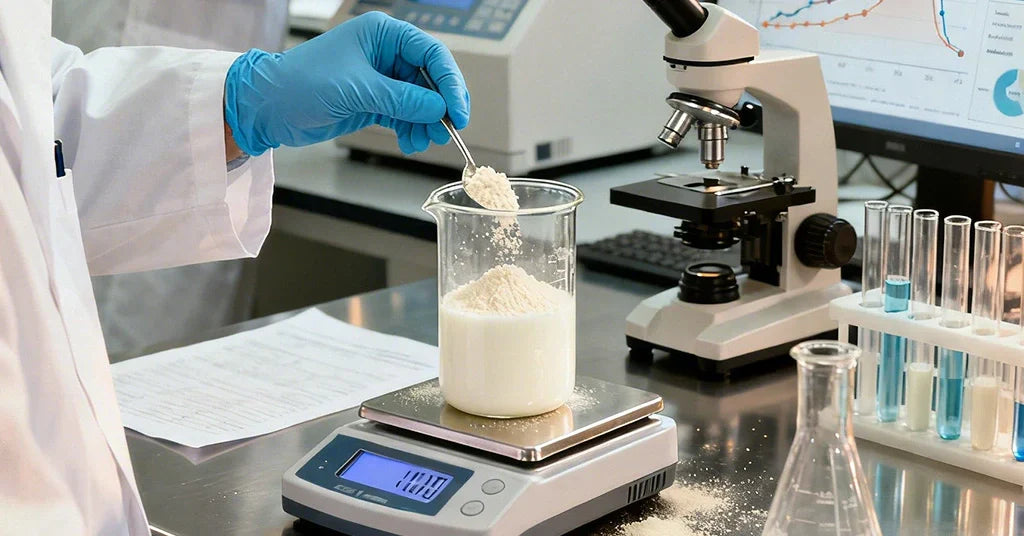
For instance, whey protein is derived from milk. When cheese is manufactured, whey is separated, filtered, and dried to produce a powder. That’s it. No secrets. No chemicals that somehow change your body.
When you consume a protein shake, your body processes it to separate amino acids, just as it would with paneer, dal, eggs, or chicken. There is no “supplement route.” Your body recognizes it as protein.
The truth isn’t whether protein powder is natural or not. It’s whether you need assistance in fulfilling your daily protein needs.
How Much Protein Do You Actually Need?
Most people underestimate how much protein they require.
-
Sedentary adults: around 0.8g per kg bodyweight
-
Active individuals: 1.2–1.6g per kg
-
Strength training or fat loss: up to 2.2g per kg
So if you weigh 70 kg and train regularly, you may need 100–140g of protein daily.
Now think about a typical Indian diet. It’s often carb-heavy and protein-light. Hitting those numbers consistently through food alone can be difficult without overeating calories.
This is where a clean whey protein becomes useful. A high-quality option like Apex Vitals 1 Whey blend offers a convenient way to bridge that gap without unnecessary additives. It helps you meet your protein goals without turning every meal into a calculation exercise.
Is It Safe to Take Protein Powder Daily?
Yes, it is safe for healthy individuals.
The Kidney Myth
One of the biggest fears around protein powder is kidney damage. However, scientific research consistently shows that high protein intake does not harm kidney function in healthy individuals.
For individuals with no prior kidney issues, consuming 1–2 scoops of protein powder per day within their overall protein requirement is considered safe. But those diagnosed with kidney disorders should consult a doctor before increasing protein intake, as they may need to follow specific dietary restrictions.
The Real Problem: Not All Whey Protein Is Created Equal
Here’s where caution is actually required.
Not all whey protein is tested or clean. Some cheaper brands:
-
Add fillers to cut costs
-
Use amino spiking to fake protein content
-
Skip proper third-party testing
-
Use low-grade raw materials
These practices can cause bloating, digestive discomfort, and in extreme cases, contamination concerns.
That’s why quality matters more than quantity.
Apex Vitals focuses on globally sourced raw materials and triple testing to ensure the consumer gets clean, EU-grade protein. Transparent labeling and strict quality checks significantly reduce the risks associated with poorly manufactured supplements.
The difference between clean protein and cheap protein is not visible on the front label. It’s in the sourcing, testing, and manufacturing standards.
How to Use Protein Powder Correctly
Even the best protein powder should supplement your diet, not replace it.
Here’s how to use it wisely:
-
Stick to 1–2 scoops daily based on your needs
-
Prioritize whole foods first
-
Use it post-workout or when your meals fall short
-
Stay hydrated
Protein powder is a tool. Not a shortcut.
Final Verdict
Taking protein powder every day is safe for healthy individuals when consumed within recommended limits. The real risk lies in misinformation and low-quality products, not in protein itself.
If you choose a clean, tested whey protein and use it to complement a balanced diet, it can support muscle recovery, fat loss, and overall nutrition safely.
So instead of asking whether protein powder is dangerous, ask a better question:
Are you choosing the right one?
Frequently Asked Questions (FAQs)
1. Is protein powder safe to consume every day?
For most healthy adults, protein powder can be consumed daily when used within their overall protein requirements. It should complement a balanced diet rather than replace whole-food protein sources.
2. Is whey protein safe for your kidneys?
In healthy individuals without pre-existing kidney disease, normal protein intake within appropriate dietary requirements is generally considered safe. People with kidney disease or impaired kidney function should consult their healthcare provider before increasing their protein intake or using protein supplements.
3. How many scoops of protein powder can I take per day?
There is no universal number of scoops suitable for everyone. Your requirement depends on factors such as body weight, activity level, diet, and fitness goals. For many people, 1–2 scoops can be a convenient way to help meet daily protein needs, depending on the protein content per serving and total dietary intake.