



10
Mar
2026
Whey vs Plant Protein: What Every Athlete Must Know in 2026
Introduction
Walk into any gym in 2026, and you’ll hear the same debate again: whey or plant protein?
For years, athletes believed whey was the gold standard and plant-based options were just an alternative. But modern nutrition science has changed the conversation. Today, the real question isn’t which is superior, but which suits your body and training style better.
Let’s break it down in a simple, honest way.
First: What Happens Inside Your Body
Protein’s main job is recovery.
Every workout creates microscopic muscle damage. Your body rebuilds that tissue using amino acids, and the speed, quality, and comfort of that rebuilding depends on the protein type you consume. That’s where whey and plant protein differ.
Whey Protein, Speed & Performance
Whey is a complete protein derived from milk. It contains all essential amino acids and a high leucine content, the amino acid that directly triggers muscle protein synthesis.
Fast absorption makes it ideal around workouts.
A blend like Apex Vitals Whey 2 Pure delivers isolate + hydrolyzed whey, meaning it digests quickly and reaches muscles rapidly, exactly when recovery matters most.
So if your priority is:
-
muscle growth
-
strength training
-
intense workouts
-
faster recovery
Whey usually works best. But there’s a catch. Not every athlete digests dairy comfortably.
Plant Protein, Recovery Without Stress
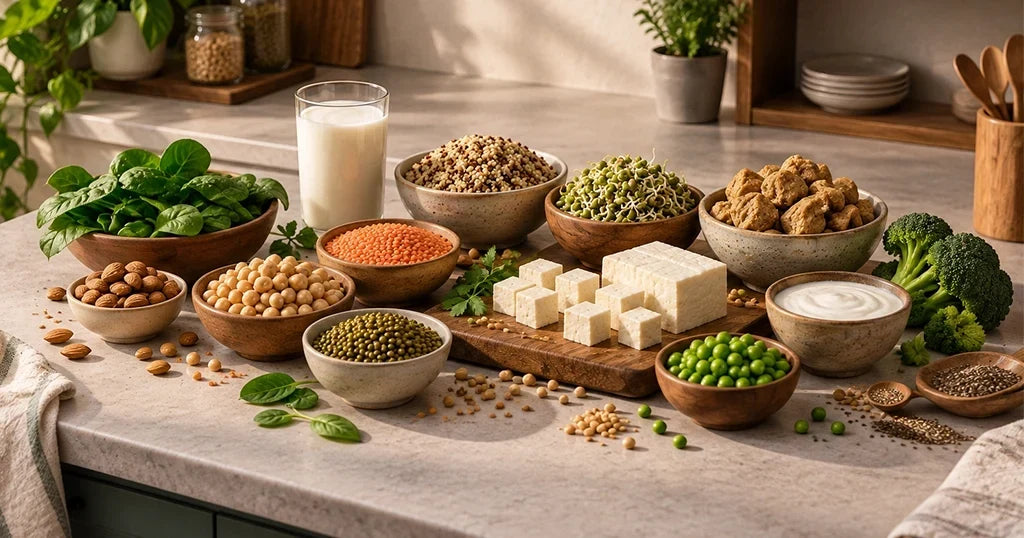
Plant-based protein has evolved massively. Earlier versions lacked amino acid balance, but modern blends combine multiple plant sources to create complete protein profiles.
A formulation like Apex Vitals 2 Plant Life combines pea and brown rice protein, together they form a full amino acid spectrum while remaining easy on digestion.
That makes plant protein ideal for:
-
sensitive stomachs
-
bloating issues
-
endurance athletes
-
daily use
It absorbs more slowly than whey, but provides steadier amino acid release, useful for sustained recovery and general fitness.
The Real Difference Athletes Feel
Here’s what actually changes in real life:

So the debate isn’t about “better protein”. It’s about timing + tolerance + training goal.
Note: Whey isolate is digested faster, making it an ideal choice for use during workouts or periods of muscle recovery. Plant proteins get digested a little more slowly, which may be beneficial when used between meals or in evening routines for prolonged satiety.
What Smart Athletes Do in 2026
Instead of choosing one forever, many athletes now use both strategically:
-
Whey after training for fast repair
-
Plant protein during the day for steady nutrition
This approach improves recovery while keeping digestion comfortable, and consistency is what ultimately builds performance.
Final Thought
The future of sports nutrition isn’t loyalty to one protein source. It’s understanding your body. Choose whey when speed matters. Choose plant protein when sustainability and comfort matter. Because the best protein isn’t the most popular one, it’s the one your body can use every single day.